

Affiliate Disclosure: This article contains affiliate links. If you purchase through them, I may earn a commission at no extra cost to you.
Educational Disclaimer: This content is for informational purposes only and is not medical advice. Please consult a qualified professional for personal guidance.
I never thought I would be the person writing about digestive issues online, but here I am, three years into my journey with bloating, discomfort, and the frustrating search for digestive support for bloating that actually makes sense.
Like many of you reading this, I tried everything. I eliminated foods, drank gallons of herbal tea, and bought probiotics that promised the world but delivered little more than expensive disappointment. The pivotal moment occurred when I ceased seeking instant remedies and began comprehending the true needs of my gut.
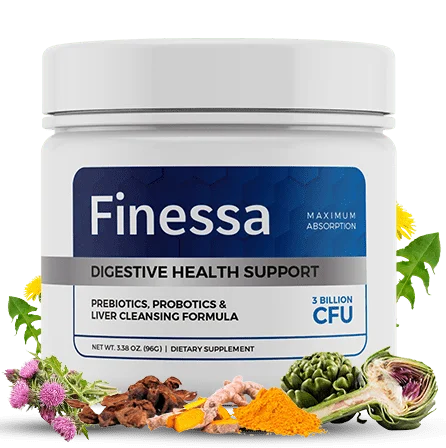
This article shares what I’ve learnt about digestive health, the science behind bloating, and how I eventually discovered Finessa, a prebiotic, probiotic, and liver-cleansing formula that has become part of my daily routine. I’m not a doctor, and this isn’t medical advice. This report is simply my experience, backed by research, offered to help you make informed decisions about your own health.
👉 Click Here to Buy From the Official Finessa Website
- Understanding Digestive Bloating: More Than Just Discomfort
- My Personal Journey: From Constant Discomfort to Understanding
- The Science of Digestive Support: What Actually Works
- How I Found Finessa: A Comprehensive Approach
- Who Could Benefit from Digestive Support Formulas?
- Beyond Supplements: What Else Supports Digestive Health
- Key Takeaways: What I Wish I'd Known Sooner
- Frequently Asked Questions About Digestive Support for Bloating
- Making Informed Decisions About Your Digestive Health
- References
Understanding Digestive Bloating: More Than Just Discomfort
Bloating isn’t just about looking a few months pregnant by evening. It is the uncomfortable pressure, the inability to button your jeans, the social anxiety of wondering if anyone notices, and the constant distraction from simply feeling off.
When I started experiencing persistent bloating, I assumed it was normal. “Everyone deals with this,” I told myself. But as weeks turned into months, I realised that constant digestive discomfort wasn’t something we should accept.
What Actually Causes Bloating?
Through my research and consultations with healthcare professionals, I’ve learnt that bloating has multiple potential causes:
Common Contributors to Digestive Bloating:
- Gut microbiome imbalance: when harmful bacteria outnumber beneficial ones, fermentation increases and produces excess gas.
- Poor digestive enzyme production Without adequate enzymes, food sits partially digested in the gut.
- Food intolerances to lactose, gluten, and FODMAPs can trigger inflammatory responses.
- With slow gut motility, when the digestive tract moves food too slowly, bacterial overgrowth occurs.
- Liver congestion: an overburdened liver struggles to process toxins, affecting overall digestion.
- Stress and gut-brain axis disruption, Chronic stress directly impacts digestive function
According to research published in the World Journal of Gastroenterology, functional bloating affects approximately 15-30% of the general population, with women experiencing it more frequently than men (Lacy et al., 2021). This isn’t a minor issue; it’s a widespread concern that deserves proper attention.
👉 Click Here to Buy From the Official Finessa Website
My Personal Journey: From Constant Discomfort to Understanding
For me, the bloating started gradually. First, there was occasional discomfort after meals. Then it became a daily occurrence. I would wake up with a relatively flat stomach, only to observe it become distended throughout the day, regardless of my dietary intake.
I tried elimination diets, cutting out dairy, gluten, and even FODMAPs. Some approaches helped marginally, but nothing addressed the core issue. I felt like I was managing symptoms rather than supporting my body’s natural digestive processes.
The Turning Point
The shift in my approach came when I started learning about the gut microbiome and how interconnected our digestive system is with overall health. I discovered that digestive support for bloating isn’t about suppressing symptoms; it’s about creating an environment where beneficial bacteria can thrive and digestive processes can function optimally.
This realisation led me to explore comprehensive formulas that addressed multiple aspects of digestive health simultaneously, rather than single-ingredient supplements that tackled only one piece of the puzzle.
👉 Click Here to Buy From the Official Finessa Website
The Science of Digestive Support: What Actually Works
Before I share what worked for me, let’s look at what research tells us about effective digestive support.
The Prebiotic-Probiotic Connection
Probiotics, the beneficial bacteria, get a lot of attention, and rightfully so. Studies indicate that specific probiotic strains can reduce bloating and improve bowel regularity (Ford et al., 2018). However, probiotics alone aren’t always enough.
Prebiotics are the food that beneficial bacteria need to survive and multiply. Without sufficient prebiotic fibre, probiotic supplements may not effectively colonise the gut. This is why comprehensive formulas that combine both prebiotics and probiotics often show better results than isolated supplements.
The Overlooked Role of Liver Health
What surprised me most in my research was discovering how much liver function affects digestion. The liver produces bile, which is essential for breaking down fats and absorbing fat-soluble vitamins. When the liver is congested or functioning suboptimally, digestive efficiency decreases.
A study in Hepatology found that liver health significantly impacts gut microbiome composition, creating a bidirectional relationship between liver function and digestive comfort (Albillos et al., 2020). Supporting liver cleansing became a key component of my approach to digestive health.
| Digestive Support Component | Primary Function | Potential Benefit for Bloating |
| Probiotics | Restore beneficial bacteria | Reduces gas-producing bacteria overgrowth |
| Prebiotics | Feed beneficial bacteria | Enhances probiotic effectiveness and gut environment |
| Digestive Enzymes | Break down food components | Improves nutrient absorption and reduces fermentation |
| Liver Support | Produces bile and processes toxins | Enhances fat digestion and reduces systemic inflammation |
| Fiber | Promotes gut motility | Prevents constipation-related bloating |
👉 Click Here to Buy From the Official Finessa Website
How I Found Finessa: A Comprehensive Approach
After months of research and trial and error, I came across Finessa, a formula specifically designed to address multiple aspects of digestive health simultaneously. What caught my attention wasn’t aggressive marketing claims, but rather its comprehensive approach combining prebiotics, probiotics, and liver cleansing support.

Why This Formula Made Sense to Me
Finessa isn’t positioned as a cure or treatment; it’s formulated as supportive nutrition for digestive health. The formula includes:
- Prebiotic fibres that feed beneficial gut bacteria
- Probiotic strains researched for digestive support
- Liver-supportive botanicals that assist the body’s natural detoxification processes
- Digestive comfort ingredients traditionally used to ease bloating
I want to be clear: this is what worked for my situation. Your body is unique, and what supports my digestive health may not be suitable for everyone.
My Personal Experience With Finessa
I started incorporating Finessa into my routine as part of a broader approach to digestive wellness that also included stress management, adequate hydration, and mindful eating practices.
Within my first few weeks, I noticed that the afternoon bloating that had become my constant companion started to feel less intense. After meals, my abdomen did not feel as distended, and I was able to avoid continuously readjusting my clothing throughout the day.
What I appreciated most was that Finessa didn’t promise overnight miracles. The changes I experienced were gradual and felt sustainable, more like supporting my body’s natural processes rather than forcing artificial results.
Who Could Benefit from Digestive Support Formulas?
Based on my research and personal experience, comprehensive digestive support like Finessa may be most suitable for people who:
- Experience occasional to frequent bloating without diagnosed medical conditions
- Have tried single-ingredient probiotics with limited success
- Want a multi-faceted approach to gut health
- Are looking to support both digestive comfort and liver function
- Prefer comprehensive formulas over taking multiple separate supplements
👉 Click Here to Buy From the Official Finessa Website
Who Should Proceed With Caution
Digestive support formulas aren’t appropriate for everyone. You should consult a healthcare professional before trying any supplement if you:
- Have been diagnosed with gastrointestinal conditions like IBD, IBS-D, or SIBO
- Are you pregnant or breastfeeding
- Take medications that may interact with probiotics or herbal ingredients
- Have compromised immune function.
- Experience severe or sudden digestive symptoms
Bloating can be a symptom of serious medical conditions. If you experience bloating accompanied by severe pain, blood in stool, unexplained weight loss, or persistent vomiting, seek medical attention immediately.
Beyond Supplements: What Else Supports Digestive Health
While Finessa has been helpful for me, I’ve learnt that digestive support for bloating extends far beyond any single product. Here’s what else I’ve incorporated:
Lifestyle Factors That Made a Difference
Eating Habits:
- Chewing food thoroughly to support mechanical digestion
- Eating in a relaxed state rather than while stressed or rushed
- Avoiding large meals late in the evening
- Staying adequately hydrated throughout the day
Stress Management: Research consistently shows that chronic stress disrupts digestive function through the gut-brain axis. I have found that even simple practices like deep breathing before meals or a short daily walk significantly impact how my digestive system functions.
Movement: Regular physical activity supports gut motility and can reduce bloating. I am not talking about intense workouts; even a 15-minute walk after dinner helps.
Key Takeaways: What I Wish I’d Known Sooner

After years of dealing with digestive discomfort and months of research, here’s what stands out:
- Bloating is common but not normal; persistent digestive discomfort deserves attention and support.
- The gut microbiome is complex; single-ingredient solutions often address only one aspect of a multifaceted issue.
- Liver health is relevant for digestion; supporting liver function can significantly impact digestive comfort.
- Comprehensive approaches work better; combining prebiotics, probiotics, and supportive nutrition makes biological sense.
- Supplements are supportive, not curative; they work best alongside healthy lifestyle practices.
- Your experience will be unique, what works for me may not work identically for you, and that’s okay.
“Digestive health isn’t about perfection; it’s about understanding your body and providing it with the support it needs to function optimally.”
Frequently Asked Questions About Digestive Support for Bloating
What’s the difference between prebiotics and probiotics?
Probiotics are live beneficial bacteria that support gut health, while prebiotics are specialised plant fibres that feed these beneficial bacteria. Imagine probiotics as gardeners and prebiotics as fertilisers; you need both for a thriving gut garden. Comprehensive formulas that include both tend to be more effective because prebiotics help probiotics survive and colonise the digestive tract.
How long does it take to notice changes in digestive comfort?
This varies significantly between individuals. In my case, I noticed subtle changes within a few weeks, but more substantial improvements took about two months. The gut microbiome doesn’t shift overnight; it’s a gradual process. Studies indicate that significant alterations in gut microbiota composition generally occur within 4–12 weeks of sustained prebiotic and probiotic administration (Kristensen et al., 2016).
Can digestive support formulas help with conditions like IBS?
This is an important question that requires professional medical guidance. While some research suggests probiotics may benefit certain IBS presentations, it’s not appropriate to self-treat diagnosed conditions with supplements. Consult your healthcare provider to identify suitable support strategies if you have been diagnosed with IBS or any other gastrointestinal condition. Finessa and similar formulas are designed for general digestive support, not the treatment of medical conditions.
Are there any side effects I should watch for?
When starting any probiotic or prebiotic formula, some people experience temporary gas or mild digestive changes as their gut microbiome adjusts. This typically resolves within a week or two. If you experience severe discomfort, allergic reactions, or symptoms that worsen, discontinue use and consult a healthcare professional. Always read ingredient labels carefully if you have allergies or sensitivities.
Why does bloating get worse throughout the day?
Daily bloating progression is incredibly common and relates to how food moves through your digestive system. As you eat throughout the day, food accumulates in your digestive tract. If gut motility is slow or bacterial fermentation is excessive, gas builds up, causing that characteristic afternoon and evening bloating. This is why comprehensive digestive support that addresses multiple factors, motility, bacterial balance, and digestive efficiency, can be more effective than targeting just one issue.
Do I need to take digestive support formulas forever?
Not necessarily. The goal of comprehensive digestive support is to help restore balance to your gut microbiome and support optimal digestive function. Some people use formulas like Finessa for a few months to support their gut health during a rebalancing phase, while others find ongoing use beneficial as part of their wellness routine. Your individual needs will depend on your specific digestive health, lifestyle factors, and how your body responds. This is something to evaluate with your healthcare provider based on your personal situation.
👉 Click Here to Buy From the Official Finessa Website.
Making Informed Decisions About Your Digestive Health
If you’re struggling with bloating like I was, I understand the frustration of trying solution after solution with limited success. The journey to better digestive comfort isn’t always straightforward, but it is possible.
Finessa has been a valuable part of my approach, but it’s not a magic solution. It’s one component of a broader commitment to understanding and supporting my digestive system. I still pay attention to how foods affect me, I manage stress, I stay hydrated, and I listen to what my body is telling me.
For me, finding digestive support for bloating meant understanding that my gut needed comprehensive support—not just probiotics or fibre, but a combination that addresses the interconnected aspects of digestive health, including liver function.
A Calm Next Step
If you want complete digestive support, see if Finessa is right for you. Take time to read about the ingredients, understand how it works, and consider whether it fits into your approach to wellness.
Remember, there’s no rush. Digestive health is a journey, not a race. The most important thing is making informed decisions that respect your body and support your long-term wellbeing.
Whatever path you choose, I hope you find the relief and comfort you’re looking for. You deserve to feel good in your body, and you don’t have to live with constant bloating.
👉 Click Here to Buy From the Official Finessa Website.
References
Albillos, A., de Gottardi, A., & Rescigno, M. (2020). The gut-liver axis in liver disease: Pathophysiological basis for therapy. Journal of Hepatology, 72(3), 558-577.
Ford, A. C., Harris, L. A., Lacy, B. E., Quigley, E. M. M., & Moayyedi, P. (2018). A systematic review with meta-analysis: the efficacy of prebiotics, probiotics, synbiotics, and antibiotics in irritable bowel syndrome. Alimentary Pharmacology & Therapeutics, 48(10), 1044-1060.
Kristensen, N. B., Bryrup, T., Allin, K. H., Nielsen, T., Hansen, T. H., & Pedersen, O. (2016). Alterations in faecal microbiota composition by probiotic supplementation in healthy adults: a systematic review of randomized controlled trials. Genome Medicine, 8(1), 52.
Lacy, B. E., Cangemi, D., & Vazquez-Roque, M. (2021). Management of chronic abdominal distension and bloating. Clinical Gastroenterology and Hepatology, 19(2), 219-231.


