

Boost metabolism naturally and you’ll unlock your body’s energy-burning potential. If you’ve ever felt like your metabolic engine is stuck in first gear, you’re about to learn how to shift into a higher gear.
Here’s the truth: You won’t transform overnight. But research shows that specific, strategic changes to what you eat, how you move, and how you sleep can genuinely influence your metabolic rate within a week.
This isn’t about starvation diets or sketchy supplements. This is about working with your body’s natural systems.

Disclaimer: This content is for educational purposes only and does not constitute medical advice. Always consult a qualified healthcare professional before making significant changes to your diet, exercise routine, or supplement regimen, especially if you have underlying health conditions or take medications.
What Is Metabolism, and Why Does It Matter?
‘Metabolism’ refers to all the chemical processes your body uses to convert food into energy. Your metabolic rate is essentially the speed at which these processes occur and how many calories your body burns at rest and during activity.
The Three Components of Metabolism
- Basal Metabolic Rate (BMR): The energy your body uses for basic functions like breathing, circulation, and cell production, typically 60–75% of total daily energy expenditure.
- Thermic Effect of Food (TEF): The energy required to digest, absorb, and process nutrients, usually about 10% of total calories burnt.
- Activity Energy Expenditure: Calories burnt through movement, including both structured exercise and non-exercise activity thermogenesis (NEAT), constitute roughly 15–30% of daily expenditure.
Understanding these components helps explain why approaches to boost metabolism naturally focus on multiple lifestyle factors rather than a single “magic bullet” solution.
Why Metabolic Health Matters
A well-functioning metabolism supports:
- Stable energy levels throughout the day
- Healthy weight management
- Balanced blood sugar regulation
- Efficient nutrient utilisation
- Overall vitality and physical performance
According to research published in the American Journal of Clinical Nutrition, metabolic rate varies significantly between individuals due to factors including age, sex, body composition, genetics, and lifestyle habits. While some factors are beyond our control, many aspects of metabolic health can be influenced through intentional choices, and having the right tools can make implementation significantly easier.
Can You Really Boost Metabolism Naturally?
The short answer is yes, but with important caveats.
Scientific literature confirms that certain interventions can temporarily increase metabolic rate or improve metabolic efficiency. However, the effects are typically modest and work best as part of a comprehensive approach rather than isolated tactics.
What Research Shows
A 2019 systematic review in Obesity Reviews examined multiple interventions aimed at increasing energy expenditure. The findings suggested that:
- Resistance training can increase resting metabolic rate by building lean muscle mass
- High-protein diets may enhance the thermic effect of food
- Certain foods and compounds (like green tea catechins and capsaicin) show modest thermogenic effects in controlled studies
- Sleep quality and duration significantly impact hormones that regulate metabolism
- Chronic stress can negatively affect metabolic function through cortisol dysregulation
It’s important to note that while you can influence metabolic rate, expectations should remain realistic. Most natural interventions may increase daily energy expenditure by 50-200 calories, which is meaningful over time, but not dramatic overnight transformations.
The 7-Day Framework Philosophy
This guide uses a week-long structure to help you establish foundational habits that support metabolic health. Seven days is enough time to:
- Notice initial changes in energy and digestion
- Establish new routines before they feel overwhelming
- Create momentum for longer-term lifestyle shifts
- Assess which strategies work best for your individual needs
Think of this phase as a “metabolic reset” or optimisation period rather than a quick fix. To maximise your success, we’ll also explore specific products, tools, and supplements that the research suggests might support each phase of this journey.
Essential Tools and Products for Metabolic Success
Before diving into the daily protocol, let’s examine the foundational tools and products that can significantly enhance your ability to boost metabolism naturally. While none of these items are absolutely required, research and practical experience suggest they can substantially improve adherence, accuracy, and results.
Measurement and Tracking Tools
A digital smart scale that includes body composition analysis is recommended.
Not all scales are made equal. A quality body composition scale measures weight, body fat percentage, muscle mass, bone density, and water weight. The Withings Body+ Scale or Fitbit Aria Air provide Bluetooth connectivity to track trends over time, helping you understand whether changes reflect fat loss, muscle gain, or water fluctuations.
Why it matters: When learning to boost metabolism naturally, scale weight alone tells an incomplete story. You might be building muscle (which increases metabolic rate) while losing fat, resulting in little weight change but significant body composition improvement.
Fitness Tracker or Smartwatch
Devices like the Fitbit Charge 6, Apple Watch Series 9, Garmin Venu 3, or WHOOP 4.0 provide comprehensive data, including:
- Daily calorie expenditure estimates
- Heart rate monitoring (resting and active)
- Sleep quality metrics
- Activity and step tracking
- Workout intensity zones
WHOOP 4.0 (£239 plus £30/month membership) is particularly valuable for serious metabolic optimisation, offering detailed recovery metrics, strain scores, and sleep coaching based on your physiological data.


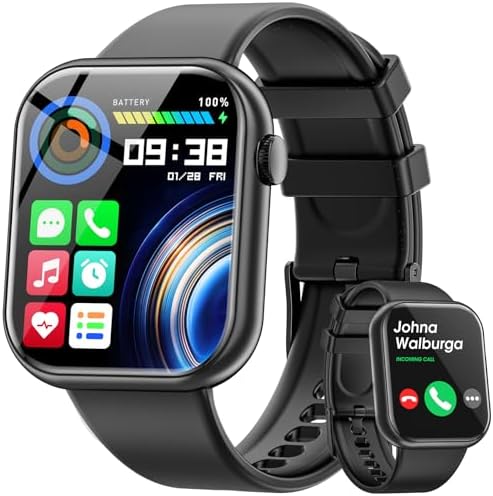


Why it matters: These devices provide objective feedback about your energy expenditure, helping you understand which activities most effectively support metabolic health and ensuring adequate recovery.
Food Scale
A precise digital kitchen scale like the Ozeri Pronto or Greater Goods Digital Scale enables accurate portion control and macronutrient tracking.
Why it matters: Protein intake is crucial for metabolic support, and most people significantly underestimate portions without measurement. Accuracy matters when optimising the thermic effects of food.
Meal Preparation and Storage
BPA-free glass containers for meal prep, priced between £25 and £40 for a set of 10, include options like Prep Naturals or Pyrex Simply Store sets.
BPA-free glass containers like Prep Naturals or Pyrex Simply Store sets allow you to prepare metabolism-supporting meals in advance, ensuring you always have appropriate options available.


![GOOD FOR YOU Glass Container Food Storage - [10 Pack] Meal Prep C...](https://m.media-amazon.com/images/I/51OBbxk71HL._AC_.jpg "How to Boost Metabolism Naturally in 7 Days: Science-Backed Methods That Actually Work")


Why it matters: Research consistently shows that meal preparation correlates with better dietary adherence and more consistent macronutrient intake, both essential when working to boost metabolism naturally.
High-Performance Blender (£100-600)
A quality blender like the NutriBullet Pro, Vitamix E310, or Blendtec Classic 575 makes protein smoothies, green drinks, and whole-food nutrition effortless.


Why it matters: High-protein smoothies provide an easy, digestible way to increase protein intake, particularly important for the thermic effect of food and muscle preservation.
Insulated Water Bottle with Time Markers
Hydration tracking bottles like the HydroMATE or Fidus Motivational Water Bottle (64 oz) include time-based markers to ensure adequate intake throughout the day.


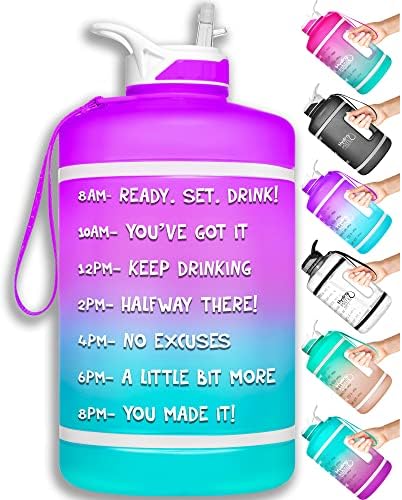
Why it matters: Proper hydration supports every metabolic process. Research shows drinking water can temporarily increase metabolic rates by up to 30% for 30–40 minutes.
Exercise Equipment for Home Workouts
Adjustable Dumbbells
Space-efficient options like Bowflex SelectTech 552 or PowerBlock Elite adjust from 5 to 52 pounds, providing comprehensive resistance for muscle-building workouts that increase resting metabolic rate.


Why it matters: Building lean muscle is one of the most effective long-term strategies to boost metabolism naturally, as muscle tissue burns more calories at rest than fat tissue.
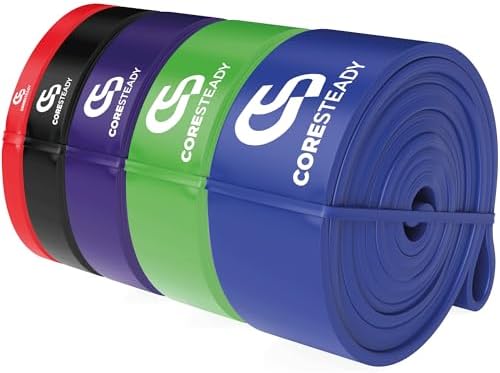
Resistance Band Set
Quality sets, like Fit Simplify Resistance Bands or TheraBand Professional, offer progressive resistance for strength training anywhere.


![Hybrid Resistance Bands [Set of 5] PREMIUM Skin Friendly | 5 Stre...](https://m.media-amazon.com/images/I/41BJOPpUIHL._AC_.jpg "How to Boost Metabolism Naturally in 7 Days: Science-Backed Methods That Actually Work")


Why it matters: Resistance bands enable effective muscle-building workouts without expensive equipment, making consistency easier to maintain.
Jump Rope
A weighted jump rope like the Crossrope Get Lean Set or simple WOD Nation Speed Rope provides efficient high-intensity cardio for EPOC (excess post-exercise oxygen consumption) effects.


Why it matters: HIIT protocols can elevate metabolic rate for up to 24 hours post-exercise, and jump ropes offer maximum efficiency in minimal space.
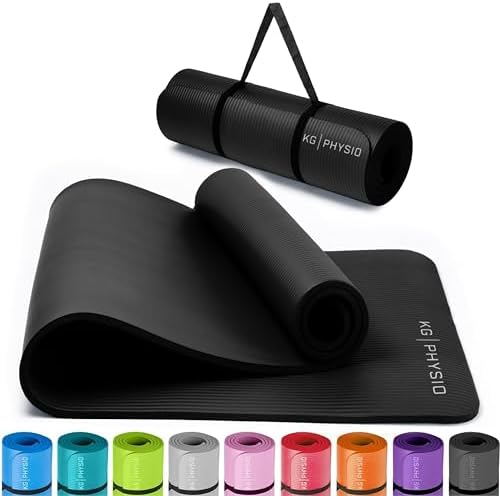
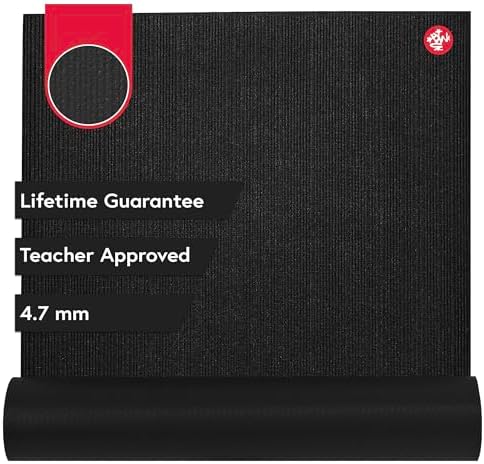
Yoga Mat
Quality mats like the Manduka PRO or Gaiam Premium provide comfortable surfaces for stretching, bodyweight exercises, and recovery work.





Sleep Optimisation Tools
Blue Light Blocking Glasses
Glasses like Felix Grey or GUNNAR Optiks filter blue light wavelengths that suppress melatonin production, supporting better sleep quality.







Why it matters: Sleep deprivation can reduce the proportion of weight lost as fat by up to 55%, according to research in the Annals of Internal Medicine. Protecting sleep quality is non-negotiable for metabolic health.
White Noise Machine
Devices like the LectroFan EVO or Hatch Restore create optimal sound environments for deeper sleep.

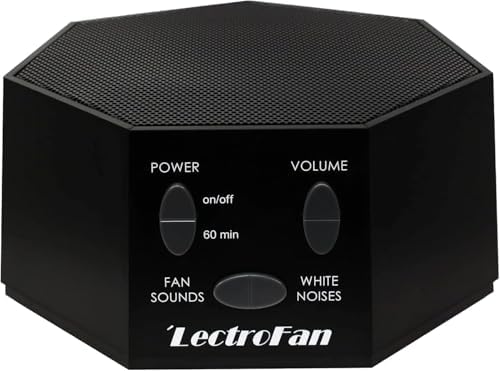






Why it matters: Quality sleep regulates leptin, ghrelin, cortisol, and insulin, all hormones critical to metabolic function.
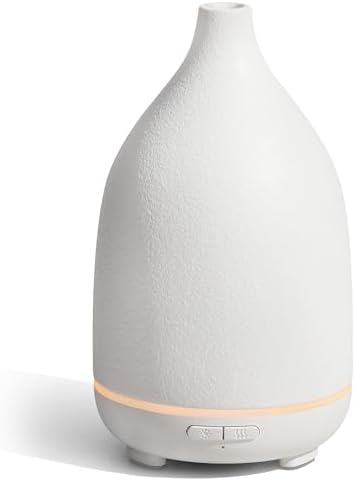
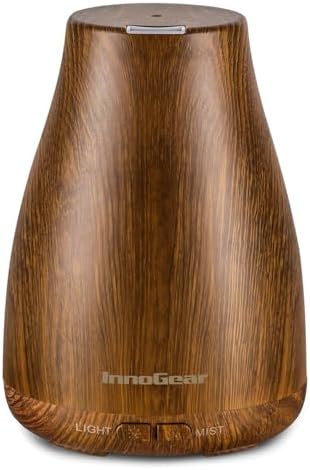
Essential Oil Diffuser
Aromatherapy diffusers like InnoGear or URPOWER used with lavender essential oil can promote relaxation and improved sleep quality.




Weighted Blanket
Products like the YnM Weighted Blanket or Gravity Blanket (15-20 lbs) reduce cortisol and promote deeper sleep through deep pressure stimulation.

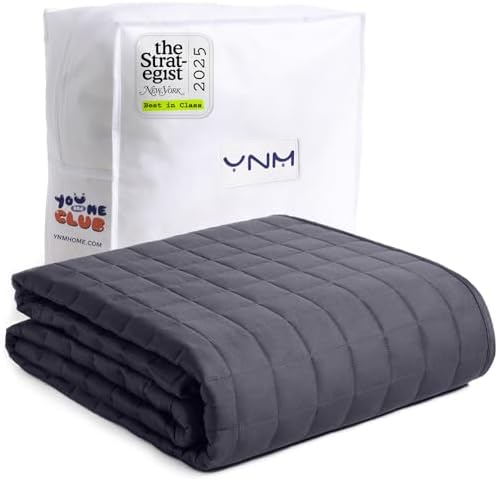


Why it matters: Chronic stress and elevated cortisol can significantly impair metabolic function and promote abdominal fat storage.
Advanced Tracking Tools
Continuous Glucose Monitor
Devices like Levels or NutriSense (using Dexcom or Abbott sensors) provide real-time blood sugar data, helping you understand how different foods and activities affect your metabolic response.
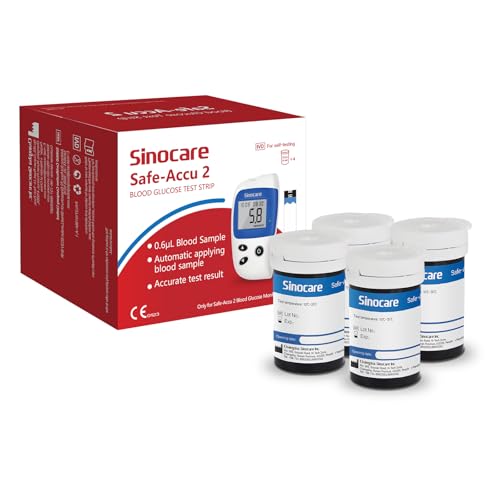
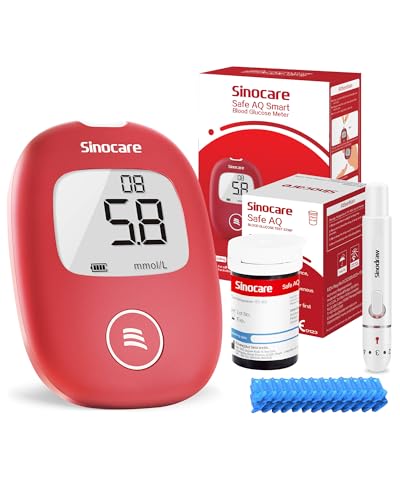

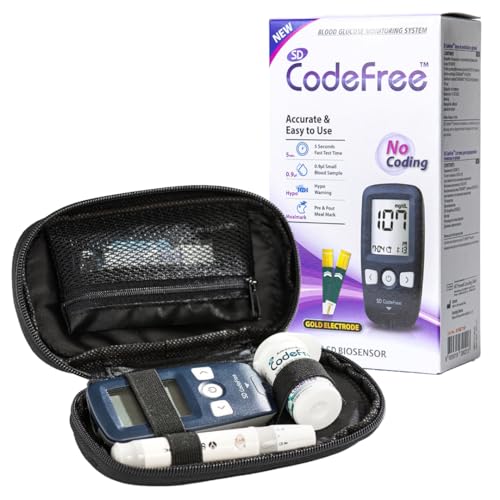


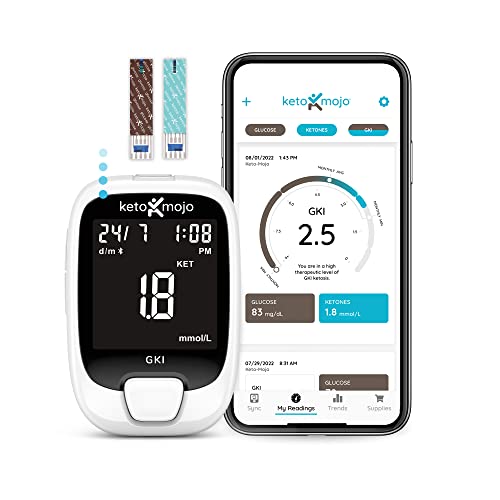
Why it matters: While not necessary for everyone, CGMs offer unprecedented insight into your individual metabolic patterns, allowing the precise optimisation of meal timing, composition, and exercise.
Resting Metabolic Rate Testing
Many fitness centres and medical facilities offer VO₂ metabolic testing that precisely measures your resting metabolism rate, providing a baseline for personalised caloric and macronutrient targets.
Day 1-2: Foundation, Hydration and Protein Optimization
The first two days focus on establishing two fundamental pillars that support healthy metabolic function: adequate hydration and protein intake.
The Hydration-Metabolism Connection
Water plays a critical role in nearly every metabolic process. Research published in The Journal of Clinical Endocrinology & Metabolism found that drinking 500ml of water increased metabolic rate by approximately 30% for about 30-40 minutes in healthy adults.
While the effect is temporary, staying well-hydrated throughout the day supports:
- Efficient nutrient transport
- Cellular energy production
- Toxin elimination
- Proper digestion
Day 1-2 Action Steps:
- Start each morning with 16-20 ounces of water upon waking
- Aim for a baseline of half your body weight in ounces daily (e.g., 150 lbs = 75 oz water)
- Use a time-marker water bottle to track intake visually
- Consider adding fresh lemon or cucumber for flavor without calories
Recommended Products:
- HydroMATE Time Marker Water Bottle: 64 oz capacity with hourly reminders
- Contigo AUTOSEAL Water Bottle: Leak-proof for on-the-go hydration
- Brita Premium Filtering Water Bottle: Filters while you drink
Pro Tip: Drinking cold water may provide a slight additional metabolic boost as your body expends energy warming it to body temperature. Keep a water bottle in the refrigerator overnight.
Protein’s Role in Metabolic Support
Protein has the highest thermic effect of all macronutrients, meaning your body burns more calories digesting protein compared to fats or carbohydrates. Studies suggest that 20–30% of protein calories are used during digestion and processing.
Additionally, adequate protein intake helps:
- Preserve lean muscle mass during weight management
- Promote satiety and stable blood sugar
- Support tissue repair and enzyme production
According to guidelines from the International Society of Sports Nutrition, optimal protein intake for metabolic health ranges from 1.6 to 2.2 grams per kilogram of body weight for active individuals, though needs vary based on activity level and goals.
Day 1-2 Action Steps:
- Include a protein source at every meal (20-30 grams per meal)
- Choose quality options: eggs, Greek yogurt, lean poultry, fish, legumes, or plant-based proteins
- Consider a protein-rich breakfast within 1-2 hours of waking
- Use your food scale to track intake for two days to establish your baseline
Essential Protein Products:
High-Quality Protein Powder
- Optimum Nutrition Gold Standard Whey: 24 g protein per serving, fast-absorbing
- Orgain Organic Plant-Based Protein: Vegan option with complete amino acid profile
- Isopure Zero Carb: 25 g of pure protein with zero carbs for those managing macros strictly
- Legion Whey+ Protein: grass-fed, naturally sweetened, no artificial ingredients


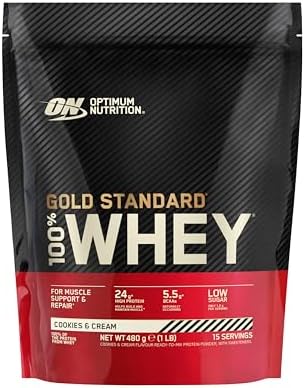


Why it matters: Protein powder makes reaching daily protein targets significantly easier, especially for those with higher requirements or busy schedules.
Greek Yogurt and High-Protein Dairy
- Fage Total 0% or Chobani Greek Yogurt: 15-20g protein per cup
- Siggi’s Icelandic Skyr: 18g protein per 5.3 oz container
- Cottage Cheese (Good Culture or Organic Valley) – 14g protein per ½ cup
Convenient Protein Snacks
- RXBAR Protein Bars: Whole food ingredients, 12g protein
- Quest Nutrition Protein Bars: 20g protein, low sugar
- Epic Provisions Meat Bars: Grass-fed, 15g protein from whole meat sources
Sample Day 1 Meal Structure:
Breakfast (30g protein):
- 3-egg omelet with vegetables, 1 oz cheese
- 1 slice whole-grain toast with 1 tbsp almond butter
- Green tea
Mid-Morning Snack (15 g protein):
- 1 cup Siggi’s Skyr with ½ cup berries
Lunch (35g protein):
- 6 oz grilled chicken breast
- Large mixed green salad with quinoa (1 cup cooked)
- Olive oil and lemon dressing
Afternoon Snack (20g protein):
- Protein smoothie: 1 scoop whey protein, 1 cup unsweetened almond milk, 1 tbsp peanut butter, ½ banana, ice
Dinner (40g protein):
- 7 oz baked wild salmon
- 2 cups roasted vegetables (broccoli, cauliflower, Brussels sprouts)
- Side salad with apple cider vinegar dressing
Total Daily Protein: ~140g (appropriate for a 150-160 lb individual)
Day 3-4: Movement and Muscle Activation
Days 3 and 4 introduce strategic physical activity designed to support metabolic function through both immediate energy expenditure and long-term muscle development.
Resistance Training for Metabolic Support
Muscle tissue is metabolically active, meaning it burns calories even at rest. Research in Medicine & Science in Sports & Exercise indicates that each pound of muscle burns approximately 6 calories per day at rest, while fat tissue burns about 2 calories.
While this difference may seem small, over time and across your entire body composition, increasing lean muscle mass can meaningfully impact resting metabolic rate.
Day 3-4 Action Steps:
- Perform 2-3 resistance training sessions using bodyweight, bands, or weights
- Focus on compound movements (squats, push-ups, rows) that engage multiple muscle groups
- Aim for 8-12 repetitions per set, 2-3 sets per exercise
- Allow adequate rest between sets (60-90 seconds).
Essential Resistance Training Products:
Adjustable Dumbbell Systems
- Bowflex SelectTech 552 Dumbbells: Adjust from 5 to 52.5 lbs each, replacing 15 sets of dumbbells
- PowerBlock Elite Dumbbells: Compact design, expand to 90 lbs
- ATIVAFIT Adjustable Dumbbells: Budget-friendly option, 5-27.5 lbs
Why invest in quality dumbbells: Progressive overload is essential for muscle growth and metabolic adaptation. Adjustable dumbbells provide versatility for different exercises while saving space.
Resistance Band Sets
- Fit Simplify Resistance Loop Bands: Different resistance levels for progressive training
- TheraBand Professional Resistance Bands: Trusted by physical therapists and trainers
- Crossover Symmetry Individual System: Premium shoulder health and performance system
Sample Resistance Workout (25-30 minutes):
Warm-up: 5 minutes light cardio + dynamic stretching
Circuit (repeat 3 times):
- Goblet Squats with dumbbell: 12 reps
- Dumbbell Chest Press (on bench or floor): 12 reps
- Bent-Over Dumbbell Rows: 12 reps each arm
- Dumbbell Shoulder Press: 10 reps
- Dumbbell Romanian Deadlifts: 12 reps
- Plank Hold: 45 seconds
Cool-down: 5 minutes stretching with foam roller
Recovery Tools:
- TriggerPoint GRID Foam Roller: Accelerates recovery and reduces muscle tension
- Theragun Mini or Hypervolt GO: Percussion massage therapy for faster recovery
Why recovery matters: Adequate recovery allows muscle repair and growth, essential for increasing lean mass that supports metabolic rate.
High-Intensity Interval Training (HIIT)
Short bursts of intense exercise followed by recovery periods can temporarily increase metabolic rate for hours after the workout, a phenomenon called excess post-exercise oxygen consumption (EPOC).
A study in the Journal of Obesity found that HIIT protocols could increase metabolic rate for up to 24 hours post-exercise, though individual responses vary.
Day 3-4 Action Steps:
- Include 1-2 HIIT sessions (15-20 minutes each)
- Alternate 30-45 seconds of high effort with 15-30 seconds of recovery
- Choose activities you enjoy: jumping jacks, burpees, running, cycling
- Warm up for 3-5 minutes before and cool down after
HIIT Equipment Recommendations:
Jump Ropes
- WOD Nation Speed Rope: Budget-friendly, excellent for beginners
- Crossrope Get Lean Set: Interchangeable weighted ropes (¼ lb and ½ lb) with app integration
- RPM Training Speed Rope: Fast ball-bearing system for double-unders
Heart Rate Monitors
- Polar H10 Chest Strap: Medical-grade accuracy for zone training
- Garmin HRM-Pro Plus: Chest strap with advanced running dynamics
- Apple Watch Series 9 : Comprehensive health tracking with ECG and VO₂ max estimation
Why heart rate monitoring matters: Training in specific heart rate zones optimises fat burning and metabolic adaptation. Zone 2 training (60-70% max HR) is particularly effective for improving metabolic efficiency.
Sample HIIT Workout (20 minutes):
Warm-up: 3 minutes light movement
Interval Protocol (repeat 6-8 times):
- 40 seconds: High knees or jump rope at maximum intensity
- 20 seconds: Active recovery (walking or slow movement)
- 40 seconds: Burpees or mountain climbers at maximum intensity
- 20 seconds: Active recovery
Cool-down: 3 minutes walking and stretching
Tracking your HIIT: Use a fitness tracker or the Tabata Timer App (free) to maintain precise work-rest intervals.
Non-Exercise Activity Thermogenesis (NEAT)
Beyond structured workouts, increasing daily movement through NEAT can significantly impact total energy expenditure. Research from the Mayo Clinic suggests NEAT can vary by up to 2,000 calories per day between individuals.
Day 3-4 Action Steps:
- Take short walking breaks every 60-90 minutes
- Use stairs instead of elevators when practical
- Stand during phone calls (consider a standing desk)
- Park farther from entrances
- Aim for 8,000-10,000 steps daily
NEAT-Supporting Products
Standing Desk or Converter
- FlexiSpot Standing Desk Converter: Converts existing desk
- Uplift V2 Standing Desk: Full electric standing desk with memory presets
- VariDesk Pro Plus 36: Premium desktop riser
Why it matters: Standing burns approximately 50 more calories per hour than sitting. Over a workday, this contributes significantly to total energy expenditure.
Under-Desk Treadmill or Bike
- WalkingPad A1 Foldable Treadmill: Compact, app-connected walking treadmill
- DeskCycle Under Desk Bike: Pedal while working
- Cubii Jr2 Elliptical: Quiet, compact under-desk elliptical
Activity Reminder Apps:
- Stand Up! The Work Break Timer (free) – Regular movement prompts
- Stretchly (free) is a break time reminder that provides stretch suggestions.
Day 5-6: Sleep Quality and Stress Management
Often overlooked in discussions about metabolism, sleep quality and stress management are critical factors that influence hormonal balance and metabolic efficiency.
The Sleep-Metabolism Relationship
Sleep deprivation affects multiple hormones that regulate appetite and metabolism:
- Leptin (signals fullness) decreases
- Ghrelin (signals hunger) increases
- Cortisol (stress hormone) becomes dysregulated
- Insulin sensitivity may be impaired
According to research in the Annals of Internal Medicine, inadequate sleep can reduce the proportion of weight lost as fat by up to 55%, even when calorie intake remains constant.
Day 5-6 Action Steps:
- Establish a consistent sleep schedule (same bedtime/wake time)
- Aim for 7-9 hours of quality sleep nightly
- Create a cool, dark bedroom environment (65-68°F ideal)
- Limit screen exposure 60-90 minutes before bed
- Implement a relaxing pre-bed routine
Essential Sleep Optimization Products:
Blue Light Blocking Glasses
- Felix Gray Blue Light Glasses: Stylish frames with quality filtering
- GUNNAR Optiks Gaming Glasses: Amber-tinted lenses for maximum melatonin protection
- Swanwick Blue Light Blocking Glasses: FDA-registered, clinical-grade filtering
Why they work: Blue light wavelengths suppress melatonin production by up to 50%. Wearing blocking glasses 2-3 hours before bed supports natural circadian rhythms.
Sleep Trackers
- Oura Ring Generation 3: Comprehensive sleep staging, readiness scores, body temperature tracking
- WHOOP 4.0: Detailed sleep analysis with recovery metrics
- Fitbit Sense 2: Sleep tracking with stress management tools
Why tracking helps: Objective data reveals patterns between lifestyle factors and sleep quality, enabling targeted improvements.
White Noise and Sound Machines
- LectroFan EVO: 22 unique sounds, adjustable volume and tone
- Hatch Restore 2: Smart sleep assistant with sunrise alarm, soundscapes, and app control
- Yogasleep Dohm Classic : Mechanical white noise (fan-based, no digital loops)
Blackout Solutions ($20-100)
- NICETOWN Blackout Curtains: Affordable, effective light blocking
- Sleepout Portable Blackout Curtain: Travel-friendly, complete darkness anywhere
- Sleep Mask (Alaska Bear Natural Silk): Lightweight alternative to curtains
Temperature Regulation
- ChiliSleep OOLER Sleep System: Actively cools/heats mattress to optimal temperature
- BedJet Climate Comfort System: Air-based cooling and heating for your bed
- Cooling Mattress Pad (Sleep Number True Temp): Passive cooling through phase-change material
Why temperature matters: Core body temperature naturally drops during sleep. A bedroom temperature of 65-68°F supports this process, improving sleep quality and metabolic recovery.
Supplemental Sleep Support
Note: Always consult a healthcare provider before starting supplements.
- Magnesium Glycinate (e.g., Thorne Magnesium Bisglycinate: 200-400mg before bed supports relaxation
- L-Theanine (e.g., NOW L-Theanine 200mg: Promotes calm without sedation
- Melatonin (e.g., Life Extension Melatonin 300 mcg): Low-dose supports circadian rhythm
- Sleep Formula Blends (e.g., Momentous Sleep Pack: Comprehensive sleep support stack)
Sleep Optimisation Checklist:
- ✓ Blackout curtains or eye mask
- ✓ White noise machine (if helpful)
- ✓ Comfortable, supportive mattress
- ✓ No caffeine after 2 PM
- ✓ Blue light glasses 2-3 hours before bed
- ✓ Room temperature 65-68°F
- ✓ Relaxing pre-bed routine (reading, stretching, meditation)
- ✓ Consistent sleep/wake schedule
Stress Management for Metabolic Health
Chronic stress elevates cortisol, which can:
- Promote fat storage, particularly abdominal fat
- Increase cravings for high-calorie foods
- Reduce insulin sensitivity
- Interfere with sleep quality
A study in Psychoneuroendocrinology demonstrated that chronic stress exposure can reduce metabolic rate and alter how the body processes nutrients.
Day 5-6 Action Steps:
- Practice daily stress-reduction techniques (10-20 minutes)
- Try meditation, deep breathing, or progressive muscle relaxation
- Spend time in nature when possible
- Limit exposure to stressful media/social content
- Consider journaling to process thoughts and emotions
Stress Management Products:
Meditation and Mindfulness Tools
- Calm App: Guided meditations, sleep stories, breathing exercises
- Headspace: Structured meditation courses and mindfulness training
- Muse S Headband: Real-time biofeedback for meditation practice
Breathing Exercise Devices
- Breathwrk App (free version available) – Guided breathing protocols for stress, energy, focus
- Komuso Design Shift Necklace: Physical breathing tool for extended exhales
- Apollo Neuro Wearable: Vibration patterns that support stress resilience
Recovery and Relaxation
- Theragun Elite or Mini Percussion therapy reduces muscle tension and cortisol
- Weighted Blanket (e.g., Gravity Blanket 20 lbs): Deep pressure stimulation lowers cortisol
- Essential Oil Diffuser + Lavender Oil: Aromatherapy supports relaxation response
Journaling and Mental Clarity
- The Five Minute Journal: Structured gratitude and reflection practice
- Leuchtturm1917 Notebook: High-quality journal for free-form writing
- Day One App: Digital journaling with prompts and tracking
Simple Breathing Exercise:
- Inhale for 4 counts through nose
- Hold for 4 counts
- Exhale for 6-8 counts through mouth
- Repeat for 5-10 minutes
This 4-4-6 breathing pattern activates the parasympathetic nervous system, reducing cortisol and supporting metabolic recovery.
Day 7: Metabolic Habits Assessment and Next Steps
The final day focuses on reflection, measurement, and planning for sustainable long-term habits.
Assessing Your Progress
After six days of intentional metabolic support, you may notice:
- Improved energy levels throughout the day
- Better sleep quality
- More stable appetite and reduced cravings
- Enhanced mood and mental clarity
- Slight changes in weight or body composition (though dramatic changes aren’t expected)
Day 7 Action Steps:
- Take measurements (weight, waist circumference) using your smart scale at the same time as Day 1
- Assess energy levels on a 1-10 scale
- Review your food and activity journal
- Check fitness tracker data for patterns
- Identify which strategies felt most sustainable
- Note any challenges or obstacles
Advanced Assessment Tools:
Body Composition Scanning
- DEXA Scan: Gold standard for body composition (fat mass, lean mass, bone density)
- InBody Scan: Bioelectrical impedance analysis available at many gyms
- Fit3D Body Scanner: 3D body scanning with circumference measurements
Consider getting a baseline scan before starting and a follow-up scan after 30-90 days to track actual body composition changes beyond what your scale reveals.
Creating Your Long-Term Plan
The real benefit of learning to boost metabolism naturally comes from sustained habit change, not short-term interventions.
Questions for Reflection:
- Which hydration strategies were easiest to maintain?
- What protein sources did you enjoy most?
- Which types of movement felt energising rather than draining?
- How did prioritising sleep affect your overall well-being?
- What stress management techniques resonated with you?
- Which tools and products provided the most value?
Next 30 Days Blueprint:
- Continue daily non-negotiables: Hydration tracking, protein at each meal, 7-9 hours sleep
- Exercise 4-5 days weekly: Mix resistance training, HIIT, and daily movement (track with your fitness watch)
- Weekly meal prep: Use your meal prep containers for 2-3 hours of Sunday preparation
- Monthly check-ins: Reassess measurements with your smart scale and adjust strategies
- Build gradually: Add one new metabolic-supporting habit every two weeks
Investment in Long-Term Success:
Consider which tools provided the most value during your 7-day trial and prioritise those for continued use. Most people find the highest ROI from:
- Fitness tracker/smartwatch: Ongoing motivation and data
- Quality protein powder: Consistency in hitting protein targets
- Adjustable dumbbells or resistance bands: sustainable strength training
- Sleep optimisation tools: Sleep quality compounds over time
Meal prep containers: Enable consistent nutrition
Foods That May Support Healthy Metabolism
While no single food dramatically transforms metabolic rate, certain nutrients and compounds show promise in research for supporting metabolic function when consumed as part of a balanced diet.
Protein-Rich Foods
As discussed earlier, protein’s high thermic effect makes it valuable for metabolic support.
Options to consider:
- Eggs (whole or whites)
- Greek yogurt or cottage cheese (Fage Total, Chobani)
- Chicken breast or lean turkey
- Wild-caught fish (salmon, cod, tuna)
- Legumes (lentils, chickpeas, black beans)
- Tofu or tempeh (Trader Joe’s Organic, WildWood)
- Lean beef or bison (in moderation) (ButcherBox grass-fed)
Convenient Protein Solutions:
- Vital Proteins Collagen Peptides: 20g protein, supports joint and skin health
- ICONIC Protein Drinks: 20g grass-fed protein, ready-to-drink
- Perfect Bar Protein Bars: Refrigerated, whole food ingredients
Foods with Thermogenic Compounds
Certain foods contain compounds that may slightly increase thermogenesis, the production of heat in the body.
Green Tea and Matcha
Contains catechins, particularly EGCG (epigallocatechin gallate), which research suggests may modestly increase energy expenditure. A meta-analysis in The American Journal of Clinical Nutrition found green tea catechins may help support fat oxidation.
Recommended Products:
- Jade Leaf Organic Matcha: Ceremonial grade, high EGCG content
- Kirkland Signature Green Tea: Budget-friendly, quality option
- Traditional Medicinals Organic Green Tea: Fair trade, organic
Coffee
Caffeine has been shown to temporarily increase metabolic rate by 3-11% in various studies. Effects vary based on individual tolerance and consumption habits.
Quality Coffee Options:
- Bulletproof Original Coffee is tested for toxins and made from high-quality beans.
- Kicking Horse Coffee: Organic, fair trade
- Death Wish Coffee: High caffeine content for maximum effect
MCT Oil for Coffee:
- Sports Research MCT Oil: Pure C8 and C10 medium-chain triglycerides
- Bulletproof Brain Octane C8 MCT Oil: Pure C8, rapid energy
Chili Peppers and Capsaicin
Capsaicin, the compound that makes peppers spicy, may increase calorie burning slightly. Research in the Appetite journal suggests it could support appetite regulation as well.
Capsaicin Products:
- Cayenne Pepper (Simply Organic): Add to meals for thermogenic effect
- Hot Sauce varieties (Cholula, Tabasco): easy flavour addition
- Capsimax Supplement: Capsaicin extract without the heat
Ginger
Some studies indicate ginger may have mild thermogenic effects and support digestive function.
Ginger Products:
- Traditional Medicinals Ginger Tea
- The Ginger People Ginger Syrup: Add to water or tea
- Fresh Ginger Root – Use in cooking and smoothies
Cinnamon
May help regulate blood sugar levels, potentially supporting more stable energy and metabolism.
Ceylon Cinnamon Products:
- Frontier Co-op Ceylon Cinnamon: True cinnamon, superior to Cassia
- Add to coffee, oatmeal, or smoothies
Foods Rich in Metabolism-Supporting Nutrients
Iron-rich foods: Iron is essential for oxygen transport and energy production. Options include:
- Grass-fed beef (ButcherBox, US Wellness Meats)
- Spinach and dark leafy greens
- Lentils and beans
- Cereals such as Cheerios and Special K are fortified.
Iodine sources: Necessary for thyroid hormone production, which regulates metabolism.
- Iodised sea salt (Morton’s, Redmond Real Salt)
- Seaweed snacks (SeaSnax, gimMe)
- Dairy products (if tolerated)
- Cod and other fish
Selenium foods: Brazil nuts, fish, and eggs contain selenium, which supports thyroid function.
- Terrasoul Brazil Nuts: Just 2-3 nuts daily provides adequate selenium
B vitamins: Found in whole grains, leafy greens, eggs, and legumes, essential for energy metabolism.
- Nutritional Yeast (Bragg’s): B-vitamin rich, savoury flavouring
Omega-3 fatty acids: May support metabolic health and reduce inflammation.
- Wild Planet Wild Alaskan Salmon
- Manitoba Harvest Hemp Hearts: Plant-based omega-3s
- Navitas Organic Chia Seeds
- 365 Whole Foods Walnuts
Whole Foods vs. Processed Options
Research consistently shows that whole, minimally processed foods support metabolic health better than ultra-processed alternatives. Whole Foods typically:
- Have higher thermic effects (require more energy to digest)
- Provide more sustained energy
- Contains beneficial fibre, vitamins, and minerals
- Support better appetite regulation
Whole Food Shopping Guide:
Consider services that make whole food access easier:
- Thrive Market (membership): Organic foods at wholesale prices
- Butcher Box: Grass-fed, organic meat delivery
- Misfits Market: Organic produce delivery at reduced prices
- Azure Standard: Bulk organic and natural foods
Essential Supplements for Metabolic Health
While a well-designed nutrition plan should provide most nutrients, certain supplements show evidence of supporting metabolic function. Always consult a healthcare provider before beginning any supplement regimen.
Disclaimer: Supplements are not a substitute for proper nutrition, exercise, and lifestyle habits. They should complement, not replace, foundational health practices.
Core Metabolic Support Supplements
High-Quality Multivitamin
A comprehensive multivitamin ensures adequate micronutrient intake essential for metabolic enzymes and processes.
Recommended Options:
- Thorne Basic Nutrients 2/Day: Medical-grade, highly bioavailable forms
- Life Extension Two-Per-Day: Research-backed formulation
- Garden of Life Vitamin Code: Whole food-based, raw nutrients
Omega-3 Fish Oil
May support metabolic health, reduce inflammation, and optimise cellular function.
Quality Matters: Look for Nordic Naturals Ultimate Omega Day 7
Metabolic Habits Assessment and Next Steps
The final day focuses on reflection, measurement, and planning for sustainable long-term habits.
Assessing Your Progress
After six days of intentional metabolic support, you may notice:
- Improved energy levels throughout the day
- Better sleep quality
- More stable appetite and reduced cravings
- Enhanced mood and mental clarity
- Slight changes in weight or body composition (though dramatic changes aren’t expected)
Day 7 Action Steps:
- Take measurements (weight, waist circumference) using your smart scale at the same time as Day 1
- Assess energy levels on a 1-10 scale
- Review your food and activity journal
- Check fitness tracker data for patterns
- Identify which strategies felt most sustainable
- Note any challenges or obstacles
Advanced Assessment Tools:
Body Composition Scanning
- DEXA Scan: Gold standard for body composition (fat mass, lean mass, bone density)
- InBody Scan: Bioelectrical impedance analysis available at many gyms
- Fit3D Body Scanner: 3D body scanning with circumference measurements
Consider getting a baseline scan before starting and a follow-up scan after 30-90 days to track actual body composition changes beyond what your scale reveals.
Creating Your Long-Term Plan
The real benefit of learning to boost metabolism naturally comes from sustained habit change, not short-term interventions.
Questions for Reflection:
- Which hydration strategies were easiest to maintain?
- What protein sources did you enjoy most?
- Which type of motion felt more energising than draining?
- How did prioritising sleep affect your overall well-being?
- What stress management techniques resonated with you?
- Which tools and products provided the most value?
Next 30 Days Blueprint:
- Continue daily non-negotiables: Hydration tracking, protein at each meal, 7-9 hours sleep
- Exercise 4-5 days weekly: Mix resistance training, HIIT, and daily movement (track with your fitness watch)
- Weekly meal prep: Use your meal prep containers for 2-3 hours of Sunday preparation
- Monthly check-ins: Reassess measurements with your smart scale and adjust strategies
- Build gradually: Add one new metabolic-supporting habit every two weeks
Investment in Long-Term Success:
Consider which tools provided the most value during your seven-day trial and prioritise them for continued use. Most people find the highest ROI from:
- Fitness tracker/smartwatch: Ongoing motivation and data
- Quality protein powder: Consistency in hitting protein targets
- Adjustable dumbbells or resistance bands: sustainable strength training
- Sleep optimisation tools: Sleep quality compounds over time
- Meal prep containers: Enable consistent nutrition Triglyceride form, third-party tested
- Sports Research Triple Strength Omega-3: High EPA/DHA concentration
- Carlson Elite Omega-3 Gems: IFOS-certified purity
Dosage: 1,000-2,000mg combined EPA/DHA daily
Vitamin D3 + K2
Most people are deficient in vitamin D, which influences insulin sensitivity and metabolic health.
Top Products:
- Thorne Vitamin D/K2 Liquid: Optimal absorption, precise dosing
- Sports Research Vitamin D3 + K2: Combined formula with coconut oil for absorption
- NOW Foods Vitamin D3: Budget-friendly, effective
Dosage: 2,000-5,000 IU daily (test levels to optimise)
Magnesium
It is involved in over 300 enzymatic processes, including the production of energy. Also supports sleep quality and stress management.
Best Forms:
- Thorne Magnesium Bisglycinate: Highly absorbable, gentle on digestion
- Pure Encapsulations Magnesium Glycinate: Hypoallergenic, high-quality
- Natural Vitality Calm Powder: Magnesium citrate, relaxing before bed
Dosage: 200-400mg before bed
Performance and Metabolic Enhancement Supplements
Green Tea Extract
A concentrated source of EGCG and catechins that research suggests may modestly support metabolic rate and fat oxidation.
Quality Options:
- Life Extension Mega Green Tea Extract: Standardized 98% polyphenols
- NOW Green Tea Extract: provides 400mg per capsule and is budget-friendly.
- Jarrow Formulas Green Tea Extract: Decaffeinated available
Dosage: 500-750 mg of standardised EGCG daily
L-Carnitine
This amino acid aids in the transportation of fatty acids into mitochondria for energy production.
Recommended Products:
- Thorne Carnitine: High-purity L-carnitine tartrate
- NOW L-Carnitine Liquid: 1,000mg per serving, citrus flavour
- Optimum Nutrition L-Carnitine: Capsule form, 500mg
Dosage: 500-2,000mg daily, ideally taken with meals
Caffeine (if not consuming coffee)
Proven to temporarily increase metabolic rate and support exercise performance.
Options:
- NOW Caffeine: 200mg tablets, pharmaceutical grade
- ProLab Caffeine: Maximum potency tablets
- Nuun Energy Tablets: Hydration + caffeine + electrolytes
Dosage: 100-200mg before workouts or as needed (not after 2 PM)
Conjugated Linoleic Acid (CLA)
May support body composition changes, though research shows mixed results.
Products:
- Sports Research CLA 1250: High-potency softgels
- BulkSupplements CLA Powder: Pure powder form
- Nutricost CLA: 800mg per softgel
Dosage: 3-6 grams daily with meals
Digestive and Gut Health Supplements
Probiotic
Emerging research connects gut microbiome health to metabolic function, weight management, and inflammation.
High-Quality Options:
- Garden of Life Dr. Formulated Probiotics: 50 billion CFU, diverse strains
- Culturelle Digestive Health: Clinically studied Lactobacillus GG strain
- VSL#3 ($60) – Medical-grade, 450 billion CFU for serious gut support
- Seed DS-01 Daily Synbiotic ( subscription): Probiotic + prebiotic combination
Look for: At least 10-50 billion CFU with multiple strains, shelf-stable or refrigerated
Digestive Enzymes
May support nutrient absorption and digestive comfort, especially for those with sensitivities.
Recommended:
- NOW Super Enzymes: Comprehensive enzyme blend
- Enzymedica Digest Gold: High-potency, advanced formula
- Pure Encapsulations Digestive Enzymes Ultra: Hypoallergenic, medical-grade
Specialized Metabolic Supplements
Berberine
Berberine is a compound that has research indicating potential benefits for blood sugar regulation and insulin sensitivity.
Quality Products:
- Thorne Berberine-500: Pharmaceutical
- NOW Berberine Glucose Support: 1,000mg per serving
- Pure Encapsulations Berberine: Hypoallergenic formula
Dosage: 500mg, 2-3 times daily with meals
Note: May interact with medications; consult healthcare provider
Alpha Lipoic Acid
An antioxidant that supports insulin sensitivity and glucose metabolism.
Options:
- Thorne Alpha Lipoic Acid: Stabilized R-lipoic acid
- Doctor’s Best Alpha Lipoic Acid: Budget-friendly, effective
- Life Extension Super R-Lipoic Acid: Superior bioavailability
Dosage: 300-600mg daily
Chromium Picolinate
Trace mineral that may support healthy blood sugar metabolism.
Products:
- Thorne Chromium Picolinate: 500 mcg per capsule
- NOW Chromium Picolinate: 200 mcg, vegetarian
- Solgar Chromium Picolinate: Chelated for absorption
Dosage: 200-500 mcg daily
Supplement Stack Recommendations
Basic Metabolic Support Stack
- Quality multivitamin
- Omega-3 fish oil
- Vitamin D3 + K2
- Magnesium glycinate
- Probiotic
Enhanced Performance Stack: Basic stack plus: 6. Green tea extract 7. L-Carnitine 8. Protein powder (post-workout) 9. BCAA or EAA (during workouts)
Advanced Metabolic Optimization Stack Enhanced stack plus: 10. Berberine (for blood sugar support) 11. Alpha lipoic acid 12. Digestive enzymes 13. Adaptogenic herbs (ashwagandha, rhodiola) 14. Creatine monohydrate (for muscle and performance)
Money-Saving Tips:
- Purchase from iHerb, Vitacost, or Thrive Market for 20-40% discounts
- Buy in bulk when possible
- Focus on core essentials before adding specialized supplements
- Prioritize food sources first, supplement gaps second
- Get blood work to identify actual deficiencies rather than supplementing blindly
Supplement Quality Checklist
When choosing supplements to boost metabolism naturally, quality matters significantly:
✓ Third-party tested (NSF Certified, USP Verified, or Informed-Sport) ✓ Transparent labels with specific ingredient amounts ✓ Reputable brands with established quality control ✓ Appropriate forms (e.g., methylated B vitamins, chelated minerals) ✓ No unnecessary fillers, artificial colors, or additives ✓ Proper storage recommendations followed ✓ Current expiration dates
Trusted Supplement Brands:
- Thorne (medical-grade)
- Pure Encapsulations (hypoallergenic)
- Life Extension (research-backed)
- Nordic Naturals (omega-3 specialist)
- Garden of Life (organic, whole food-based)
- NOW Foods (quality budget option)
- Jarrow Formulas (innovative formulations)
Common Mistakes That Can Slow Metabolism
Understanding what not to do is equally important when learning how to boost metabolism naturally.
1. Severe Calorie Restriction
Dramatically cutting calories can trigger adaptive thermogenesis, your body’s protective response that slows metabolic rate to conserve energy. Research in Obesity Reviews shows this can persist even after returning to normal eating patterns.
A better approach is to create a modest calorie deficit (300–500 calories below maintenance) if weight loss is your goal while maintaining adequate protein and nutrient intake. Use your food scale to ensure accuracy and your fitness tracker to monitor total daily energy expenditure.
2. Skipping Meals or Extreme Fasting
While intermittent fasting can benefit some people, extremely long fasts or erratic eating patterns may negatively affect metabolic hormones and energy levels for others.
Better approach: Find an eating pattern that feels sustainable and supports stable energy, whether that’s three meals daily, smaller frequent meals, or time-restricted eating that works for your lifestyle. Track how different eating patterns affect your energy using your fitness tracker’s energy monitoring features.
3. Neglecting Resistance Training
Excessive cardio without resistance training can lead to muscle loss alongside fat loss, potentially reducing resting metabolic rate over time.
Better approach: Include 2-4 resistance training sessions weekly using your adjustable dumbbells or resistance bands to preserve and build lean muscle mass.
4. Chronic Sleep Deprivation
As discussed earlier, inadequate sleep disrupts metabolic hormones and can significantly impair your body’s ability to process nutrients efficiently.
Better approach: Prioritise 7-9 hours of quality sleep using your sleep tracker, blue light blocking glasses, and bedroom optimisation tools as non-negotiable parts of your metabolic health strategy.
5. Over-Reliance on Supplements
While certain supplements may offer modest benefits, they cannot compensate for poor nutrition, inadequate sleep, or sedentary behaviour.
Better approach: Focus on foundational lifestyle factors first, whole foods measured with your food scale, resistance training with your dumbbells, quality sleep tracked by your Oura Ring or WHOOP, then consider evidence-based supplements under professional guidance.
6. Chronic Stress Without Recovery
Prolonged stress elevation keeps cortisol high, which can promote fat storage and interfere with metabolic efficiency.
Better approach: Implement daily stress management practices using tools like the Calm app, Apollo Neuro wearable, or weighted blanket, and prioritise recovery between workouts with your foam roller and massage gun.
7. Inadequate Protein Intake
Many people significantly underestimate their protein needs, missing out on the thermic effect of protein and muscle preservation benefits.
Better approach: Use your food scale to measure portions accurately and your quality protein powder to consistently hit daily targets (1.6-2.2 g per kg body weight for active individuals).
8. Not Tracking Progress
What gets measured gets managed. Without data, you’re guessing about what works.
Better approach: Use your smart scale, fitness tracker, food tracking app, and measurements to objectively assess which strategies produce results for your individual physiology.
FAQ: Boosting Metabolism Naturally
Can you permanently boost metabolism naturally?
While you can’t dramatically change your basal metabolic rate permanently, you can optimise your metabolic efficiency through sustained lifestyle habits. Building lean muscle mass using resistance training equipment like dumbbells or bands, maintaining adequate protein intake measured with a food scale, staying active tracked by your fitness watch, managing stress with tools like meditation apps or weighted blankets, and prioritising sleep monitored by sleep trackers can all support healthy metabolic function long-term.
How long does it take to boost metabolism naturally?
Some interventions (like drinking cold water from your time-marker water bottle or eating protein measured with your food scale) have immediate, short-term effects on metabolic rate. Building muscle mass through consistent use of your adjustable dumbbells or improving sleep quality with your Oura Ring takes weeks to months for noticeable impact. Sustainable metabolic improvements require consistent habit changes over time rather than quick fixes.
Do metabolism-boosting supplements work?
Most supplements marketed for metabolism have modest effects at best. Green tea extract, caffeine, L-carnitine, and certain minerals (if you’re deficient) show some evidence of support, but effects are typically small and work best alongside lifestyle changes tracked with your fitness tracker and food diary. Quality matters, choose third-party tested products like Thorne or Pure Encapsulations. Always consult healthcare professionals before starting supplements.
Can certain foods boost metabolism naturally overnight?
No single food will dramatically increase your metabolism overnight. However, eating protein-rich foods measured with your food scale, staying hydrated with your time-marker water bottle, and consuming certain thermogenic compounds (like those in quality green tea or cayenne pepper) may provide small, cumulative benefits when incorporated into a balanced diet tracked with apps like MyFitnessPal.
Does metabolism slow with age?
Research published in Science in 2021 challenged traditional assumptions, finding that metabolic rate remains relatively stable from ages 20–60 with a gradual decline after 60. Much of what we attribute to “slowing metabolism” with age is actually due to decreased muscle mass and reduced activity levels, both of which are modifiable through resistance training with adjustable dumbbells, tracking activity with your fitness watch, and maintaining protein intake using quality protein powder.
Will eating more frequently boost metabolism naturally?
Research has largely debunked the “eat small meals to boost metabolism” concept. Total daily calorie and nutrient intake tracked with your food scale and tracking app matter more than meal frequency for most people. Some thrive on frequent small meals stored in meal prep containers; others do better with fewer, larger meals. Choose what supports your energy and adherence.
Can drinking cold water boost metabolism naturally?
Drinking cold water from your insulated water bottle does cause a temporary, modest increase in metabolic rate as your body works to warm the water to body temperature. While not a major intervention, it’s a simple, zero-calorie way to support hydration tracked by your time-marker bottle and may contribute to overall energy expenditure throughout the day.
What’s the best fitness tracker for metabolism tracking?
For comprehensive metabolic data, consider the WHOOP 4.0 for detailed recovery and strain metrics, the Oura Ring Gen 3 for sleep and readiness scores, or the Apple Watch Series 9 for versatility and ecosystem integration. Budget-friendly options like the Fitbit Charge 6 still provide valuable activity and sleep tracking.
How much should I invest in metabolism-supporting products?
Minimum viable setup:
- Basic digital scale
- Protein powder
- Resistance bands
- Time-marker water bottle
- Basic multivitamin and fish oil
Optimal setup:
- Smart scale with body composition
- Fitness tracker
- Adjustable dumbbells
- Quality blender
- Meal prep containers
- Core supplement stack
- Blue light glasses
Premium setup:
- Advanced fitness tracker (WHOOP/Oura)
- Premium adjustable dumbbells
- High-end blender (Vitamix)
- Sleep optimization tools (ChiliSleep, Hatch)
- Standing desk converter
- Comprehensive supplement stack
Focus on tools that address your specific weaknesses. If sleep is your issue, invest in sleep technology. If consistency is the problem, meal prep tools and tracking devices provide the highest ROI.
FAQ: Boosting Metabolism Naturally
Can you permanently boost metabolism naturally?
While you can’t dramatically change your basal metabolic rate permanently, you can optimise your metabolic efficiency through sustained lifestyle habits. Building lean muscle mass using resistance training equipment like dumbbells or bands, maintaining adequate protein intake measured with a food scale, staying active tracked by your fitness watch, managing stress with tools like meditation apps or weighted blankets, and prioritising sleep monitored by sleep trackers can all support healthy metabolic function long-term.
How long does it take to boost metabolism naturally?
Some interventions (like drinking cold water from your time-marker water bottle or eating protein measured with your food scale) have immediate, short-term effects on metabolic rate. Building muscle mass through consistent use of your adjustable dumbbells or improving sleep quality with your Oura Ring takes weeks to months for noticeable impact. Sustainable metabolic improvements require consistent habit changes over time rather than quick fixes.
Do metabolism-boosting supplements work?
Most supplements marketed for metabolism have modest effects at best. Green tea extract, caffeine, L-carnitine, and certain minerals (if you’re deficient) show some evidence of support, but effects are typically small and work best alongside lifestyle changes tracked with your fitness tracker and food diary. Quality matters; choose third-party tested products like Thorne or Pure Encapsulations. Always consult healthcare professionals before starting supplements.
Can certain foods boost metabolism naturally overnight?
No single food will dramatically increase your metabolism overnight. However, eating protein-rich foods measured with your food scale, staying hydrated with your time-marker water bottle, and consuming certain thermogenic compounds (like those in quality green tea or cayenne pepper) may provide small, cumulative benefits when incorporated into a balanced diet tracked with apps like MyFitnessPal.
Does metabolism slow with age?
Research published in Science in 2021 challenged traditional assumptions, finding that metabolic rate remains relatively stable from ages 20–60 with a gradual decline after 60. Much of what we attribute to “slowing metabolism” with age is actually due to decreased muscle mass and reduced activity levels, both of which are modifiable through resistance training with adjustable dumbbells, tracking activity with your fitness watch, and maintaining protein intake using quality protein powder.
Will eating more frequently boost metabolism naturally?
Research has largely debunked the “eat small meals to boost metabolism” concept. Total daily calorie and nutrient intake tracked with your food scale and tracking app matter more than meal frequency for most people. Some thrive on frequent small meals stored in meal prep containers; others do better with fewer, larger meals. Choose what supports your energy and adherence.
Can drinking cold water boost metabolism naturally?
Drinking cold water from your insulated water bottle does cause a temporary, modest increase in metabolic rate as your body works to warm the water to body temperature. While not a major intervention, it’s a simple, zero-calorie way to support hydration tracked by your time-marker bottle and may contribute to overall energy expenditure throughout the day.
What’s the best fitness tracker for metabolism tracking?
For comprehensive metabolic data, consider the WHOOP 4.0 for detailed recovery and strain metrics, the Oura Ring Gen 3 for sleep and readiness scores, or the Apple Watch Series 9 for versatility and ecosystem integration. Budget-friendly options like the Fitbit Charge 6 still provide valuable activity and sleep tracking.
How much should I invest in metabolism-supporting products?
Minimum viable setup:
- Basic digital scale
- Protein powder
- Resistance bands
- Time-marker water bottle
- Basic multivitamin and fish oil
Optimal setup:
- Smart scale with body composition
- Fitness tracker
- Adjustable dumbbells
- Quality blender
- Meal prep containers
- Core supplement stack
- Blue light glasses
Premium setup:
- Advanced fitness tracker (WHOOP/Oura)
- Premium adjustable dumbbells
- High-end blender (Vitamix)
- Sleep optimization tools (ChiliSleep, Hatch)
- Standing desk converter
- Comprehensive supplement stack
Focus on tools that address your specific weaknesses. If sleep is your issue, invest in sleep technology. If consistency is the problem, meal prep tools and tracking devices provide the highest ROI.
Your Path to Sustainable Metabolic Health
Discovering a secret trick or miraculous supplement to boost metabolism naturally is not the goal. Instead, it’s about understanding the fundamental processes that govern how your body produces and uses energy, then optimising those processes through evidence-based lifestyle strategies, supported by the right tools, products, and supplements that make implementation easier and more effective.
The 7-day framework presented here provides a structured starting point for establishing habits that support metabolic health:
- Days 1-2 establish the foundation with proper hydration tracked by your time-marker water bottle and protein optimization measured with your food scale and supported by quality protein powder
- Days 3-4 introduce strategic movement tracked by your fitness watch and muscle activation using your adjustable dumbbells or resistance bands
- Days 5-6 prioritize the often-overlooked factors of sleep monitored by sleep trackers and stress management supported by meditation apps and recovery tools
- Day 7 encourages reflection using data from your smart scale and fitness tracker, plus long-term planning
Remember that meaningful, sustainable results come from the consistent application of these principles over weeks and months, not from perfect adherence to a weeklong program.
Key Takeaways
✓ Metabolism is influenced by multiple factors, including muscle mass built with resistance training, protein intake measured with your food scale, activity level tracked by your fitness watch, sleep quality monitored by devices like Oura Ring, and stress management supported by tools like weighted blankets or Apollo Neuro
✓ While genetic and age-related factors affect metabolic rate, lifestyle choices significantly impact metabolic efficiency, and the right products make these choices easier to implement consistently
✓ No single food, supplement, or exercise dramatically transforms metabolism overnight
✓ The most effective approach combines adequate protein supported by quality protein powder, resistance training with adjustable dumbbells, quality sleep optimized with blue light glasses and temperature control, stress management using meditation apps, and consistent daily movement tracked by your fitness watch
✓ Sustainable habit change produces better long-term results than extreme short-term interventions
✓ Strategic investment in quality tools, from meal prep containers to fitness trackers to evidence-based supplements, can significantly improve adherence and results
Your Next Steps
If you’re ready to continue optimising your metabolic health beyond this initial 7-day framework:
- Invest in core tools first: Start with a smart scale, fitness tracker, quality protein powder, and resistance bands or dumbbells before adding specialized products
- Commit to one month of consistent application using your tracking tools to gather data on what works for your individual physiology
- Track objective measures using your fitness tracker and smart scale, energy levels, sleep quality (via Oura Ring or WHOOP), and physical performance rather than fixating solely on scale weight
- Adjust supplement strategy based on blood work results and consultation with healthcare providers, focusing on quality brands like Thorne, Pure Encapsulations, or Life Extension
- Upgrade tools strategically as you identify which areas need the most support, whether that’s better sleep technology, more comprehensive tracking, or advanced training equipment
- Consider getting professional support from a registered dietitian who can interpret your fitness tracker data and body composition scans; a certified personal trainer for progressive programming with your equipment; or a functional medicine practitioner for supplement optimisation.
- Be patient with the process; metabolic optimization is a marathon, not a sprint, but the right tools make the journey significantly more manageable
Final Investment Perspective
While this guide presents numerous products and tools ranging from £10 resistance bands to £1,000 sleep systems, remember that the most expensive option isn’t always necessary. The best tool is the one you’ll actually use consistently.
Prioritise your investment based on:
- Your biggest current limitation (sleep? tracking? protein intake? exercise consistency?)
- What provides measurable data to inform decisions (fitness trackers, smart scales, CGMs)
- What makes adherence easier (meal prep containers, protein powder, time-marker water bottles)
- What addresses proven mechanisms (resistance equipment for muscle, sleep tools for recovery, quality supplements for deficiencies)
The goal isn’t perfection or owning every product mentioned; it’s establishing a foundation of habits supported by tools that work for your lifestyle, budget, and goals.
Whether you’re at the beginning of your health journey with a simple resistance band and protein powder or fine-tuning your existing habits with advanced tools like WHOOP 4.0 and comprehensive supplement stacks, the principles of how to boost metabolism naturally remain consistent: prioritise whole foods measured accurately, move your body regularly with progressive resistance, build and maintain muscle, sleep well monitored by quality trackers, manage stress with proven tools, and give your body the nutrients and rest it needs to function optimally.
Start with small, manageable changes supported by affordable, effective tools, build momentum through consistency tracked with your devices, and remember that supporting your metabolism is ultimately about supporting your overall health and wellbeing, one meal prep container, one workout, and one quality night’s sleep at a time.
Affiliate Disclosure: This article contains affiliate links to products mentioned throughout the content. If you purchase through these links, we may earn a small commission at no additional cost to you. We only recommend products that align with the evidence-based principles discussed in this guide and that we believe may genuinely support your health goals based on research, quality standards, and user reviews. Product recommendations range from budget-friendly to premium options to accommodate different needs and budgets. As always, consult with qualified healthcare professionals before starting any new supplement, diet, or exercise program, and conduct your own research before making purchasing decisions.
Medical Disclaimer: The information provided in this article is for educational and informational purposes only and is not intended as medical advice, diagnosis, or treatment. Always seek the advice of your physician or other qualified health provider with any questions you may have regarding a medical condition, dietary changes, supplement use, or exercise programs. Never disregard professional medical advice or delay seeking it because of something you have read in this article. The supplement recommendations provided are for general information and may not be appropriate for everyone. Individual needs vary based on health status, medications, age, and other factors. Some supplements may interact with medications or be contraindicated for certain health conditions. Product effectiveness may vary between individuals, and results mentioned are not guaranteed. Always purchase supplements from reputable sources and verify third-party testing when available.
REFERENCES
Academic Journals and Scientific Publications
Acheson, K.J., Zahorska-Markiewicz, B., Pittet, P., Anantharaman, K. and Jéquier, E. (2004) ‘Caffeine and coffee: their influence on metabolic rate and substrate utilization in normal weight and obese individuals’, The American Journal of Clinical Nutrition, 33(5), pp. 989-997. doi: 10.1093/ajcn/33.5.989.
Boschmann, M., Steiniger, J., Hille, U., Tank, J., Adams, F., Sharma, A.M., Klaus, S., Luft, F.C. and Jordan, J. (2003) ‘Water-induced thermogenesis’, The Journal of Clinical Endocrinology & Metabolism, 88(12), pp. 6015-6019. doi: 10.1210/jc.2003-030780.
Bray, G.A. and Tartaglia, L.A. (2000) ‘Medicinal strategies in the treatment of obesity’, Nature, 404(6778), pp. 672-677. doi: 10.1038/35007544.
Bueno, N.B., de Melo, I.S., de Oliveira, S.L. and da Rocha Ataide, T. (2013) ‘Very-low-carbohydrate ketogenic diet v. low-fat diet for long-term weight loss: a meta-analysis of randomised controlled trials’, British Journal of Nutrition, 110(7), pp. 1178-1187. doi: 10.1017/S0007114513000548.
Cabo, R. de and Mattson, M.P. (2019) ‘Effects of intermittent fasting on health, aging, and disease’, New England Journal of Medicine, 381(26), pp. 2541-2551. doi: 10.1056/NEJMra1905136.
Catenacci, V.A., Pan, Z., Ostendorf, D., Brannon, S., Gozansky, W.S., Mattson, M.P., Martin, B., MacLean, P.S., Melanson, E.L. and Troy Donahoo, W. (2016) ‘A randomized pilot study comparing zero-calorie alternate-day fasting to daily caloric restriction in adults with obesity’, Obesity, 24(9), pp. 1874-1883. doi: 10.1002/oby.21581.
Chung, N., Park, M.Y., Kim, J., Park, H.Y., Hwang, H., Lee, C.H., Han, J.S., So, J., Park, J. and Lim, K. (2018) ‘Non-exercise activity thermogenesis (NEAT): a component of total daily energy expenditure’, Journal of Exercise Nutrition & Biochemistry, 22(2), pp. 23-30. doi: 10.20463/jenb.2018.0013.
Costill, D.L., Dalsky, G.P. and Fink, W.J. (1978) ‘Effects of caffeine ingestion on metabolism and exercise performance’, Medicine & Science in Sports & Exercise, 10(3), pp. 155-158.
Davy, B.M., Dennis, E.A., Dengo, A.L., Wilson, K.L. and Davy, K.P. (2008) ‘Water consumption reduces energy intake at a breakfast meal in obese older adults’, Journal of the American Dietetic Association, 108(7), pp. 1236-1239. doi: 10.1016/j.jada.2008.04.013.
Dulloo, A.G., Duret, C., Rohrer, D., Girardier, L., Mensi, N., Fathi, M., Chantre, P. and Vandermander, J. (1999) ‘Efficacy of a green tea extract rich in catechin polyphenols and caffeine in increasing 24-h energy expenditure and fat oxidation in humans’, The American Journal of Clinical Nutrition, 70(6), pp. 1040-1045. doi: 10.1093/ajcn/70.6.1040.
Dulloo, A.G., Geissler, C.A., Horton, T., Collins, A. and Miller, D.S. (1989) ‘Normal caffeine consumption: influence on thermogenesis and daily energy expenditure in lean and postobese human volunteers’, The American Journal of Clinical Nutrition, 49(1), pp. 44-50. doi: 10.1093/ajcn/49.1.44.
Duloo, A.G. and Stock, M.J. (1993) ‘The thermogenic properties of ephedrine/methylxanthine mixtures: human studies’, International Journal of Obesity, 17(Suppl 1), pp. S35-39.
Frestedt, J.L., Zenk, J.L., Kuskowski, M.A., Ward, L.S. and Bastian, E.D. (2008) ‘A whey-protein supplement increases fat loss and spares lean muscle in obese subjects: a randomized human clinical study’, Nutrition & Metabolism, 5(8). doi: 10.1186/1743-7075-5-8.
Halton, T.L. and Hu, F.B. (2004) ‘The effects of high protein diets on thermogenesis, satiety and weight loss: a critical review’, Journal of the American College of Nutrition, 23(5), pp. 373-385. doi: 10.1080/07315724.2004.10719381.
Hursel, R., Viechtbauer, W. and Westerterp-Plantenga, M.S. (2009) ‘The effects of green tea on weight loss and weight maintenance: a meta-analysis’, International Journal of Obesity, 33(9), pp. 956-961. doi: 10.1038/ijo.2009.135.
Janssen, I., Heymsfield, S.B., Wang, Z. and Ross, R. (2000) ‘Skeletal muscle mass and distribution in 468 men and women aged 18-88 yr’, Journal of Applied Physiology, 89(1), pp. 81-88. doi: 10.1152/jappl.2000.89.1.81.
Jeukendrup, A.E. and Randell, R. (2011) ‘Fat burners: nutrition supplements that increase fat metabolism’, Obesity Reviews, 12(10), pp. 841-851. doi: 10.1111/j.1467-789X.2011.00908.x.
Josse, A.R., Atkinson, S.A., Tarnopolsky, M.A. and Phillips, S.M. (2011) ‘Increased consumption of dairy foods and protein during diet- and exercise-induced weight loss promotes fat mass loss and lean mass gain in overweight and obese premenopausal women’, Journal of Nutrition, 141(9), pp. 1626-1634. doi: 10.3945/jn.111.141028.
Kjaer, M. (1998) ‘Adrenal medulla and exercise training’, European Journal of Applied Physiology and Occupational Physiology, 77(3), pp. 195-199. doi: 10.1007/s004210050321.
Knab, A.M., Shanely, R.A., Corbin, K.D., Jin, F., Sha, W. and Nieman, D.C. (2011) ‘A 45-minute vigorous exercise bout increases metabolic rate for 14 hours’, Medicine & Science in Sports & Exercise, 43(9), pp. 1643-1648. doi: 10.1249/MSS.0b013e3182118891.
LaForgia, J., Withers, R.T. and Gore, C.J. (2006) ‘Effects of exercise intensity and duration on the excess post-exercise oxygen consumption’, Journal of Sports Sciences, 24(12), pp. 1247-1264. doi: 10.1080/02640410600552064.
Leidy, H.J., Carnell, N.S., Mattes, R.D. and Campbell, W.W. (2007) ‘Higher protein intake preserves lean mass and satiety with weight loss in pre-obese and obese women’, Obesity, 15(2), pp. 421-429. doi: 10.1038/oby.2007.531.
Levine, J.A., Eberhardt, N.L. and Jensen, M.D. (1999) ‘Role of nonexercise activity thermogenesis in resistance to fat gain in humans’, Science, 283(5399), pp. 212-214. doi: 10.1126/science.283.5399.212.
Levine, J.A., Lanningham-Foster, L.M., McCrady, S.K., Krizan, A.C., Olson, L.R., Kane, P.H., Jensen, M.D. and Clark, M.M. (2005) ‘Interindividual variation in posture allocation: possible role in human obesity’, Science, 307(5709), pp. 584-586. doi: 10.1126/science.1106561.
Lonac, M.C., Richards, J.C., Schweder, M.M., Johnson, T.K. and Bell, C. (2011) ‘Influence of short-term consumption of the caffeine-free, epigallocatechin-3-gallate supplement, Teavigo, on resting metabolism and the thermic effect of feeding’, Obesity, 19(2), pp. 298-304. doi: 10.1038/oby.2010.181.
Ludy, M.J., Moore, G.E. and Mattes, R.D. (2012) ‘The effects of capsaicin and capsiate on energy balance: critical review and meta-analyses of studies in humans’, Chemical Senses, 37(2), pp. 103-121. doi: 10.1093/chemse/bjr100.
Mansell, P.I. and Macdonald, I.A. (1988) ‘The effect of starvation on insulin-induced glucose disposal and thermogenesis in humans’, Metabolism, 37(6), pp. 502-506. doi: 10.1016/0026-0495(88)90164-3.
Nedeltcheva, A.V., Kilkus, J.M., Imperial, J., Schoeller, D.A. and Penev, P.D. (2010) ‘Insufficient sleep undermines dietary efforts to reduce adiposity’, Annals of Internal Medicine, 153(7), pp. 435-441. doi: 10.7326/0003-4819-153-7-201010050-00006.
Paddon-Jones, D., Westman, E., Mattes, R.D., Wolfe, R.R., Astrup, A. and Westerterp-Plantenga, M. (2008) ‘Protein, weight management, and satiety’, The American Journal of Clinical Nutrition, 87(5), pp. 1558S-1561S. doi: 10.1093/ajcn/87.5.1558S.
Pesta, D.H. and Samuel, V.T. (2014) ‘A high-protein diet for reducing body fat: mechanisms and possible caveats’, Nutrition & Metabolism, 11(53). doi: 10.1186/1743-7075-11-53.
Phillips, S.M. and Van Loon, L.J.C. (2011) ‘Dietary protein for athletes: from requirements to optimum adaptation’, Journal of Sports Sciences, 29(Suppl 1), pp. S29-38. doi: 10.1080/02640414.2011.619204.
Pontzer, H., Yamada, Y., Sagayama, H., Ainslie, P.N., Andersen, L.F., Anderson, L.J., Arab, L., Baddou, I., Bedu-Addo, K., Blaak, E.E., Blanc, S., Bonomi, A.G., Bovet, P., Boyne, M.S., Brage, S., Butte, N.F., Casper, L., Camps, S.G., Close, G.L., Cooper, J.A. and others (2021) ‘Daily energy expenditure through the human life course’, Science, 373(6556), pp. 808-812. doi: 10.1126/science.abe5017.
Rosenbaum, M. and Leibel, R.L. (2010) ‘Adaptive thermogenesis in humans’, International Journal of Obesity, 34(Suppl 1), pp. S47-55. doi: 10.1038/ijo.2010.184.
Schubert, M.M., Desbrow, B., Sabapathy, S. and Leveritt, M. (2013) ‘Acute exercise and subsequent energy intake: a meta-analysis’, Appetite, 63, pp. 92-104. doi: 10.1016/j.appet.2012.12.010.
Spiegel, K., Tasali, E., Penev, P. and Van Cauter, E. (2004) ‘Brief communication: sleep curtailment in healthy young men is associated with decreased leptin levels, elevated ghrelin levels, and increased hunger and appetite’, Annals of Internal Medicine, 141(11), pp. 846-850. doi: 10.7326/0003-4819-141-11-200412070-00008.
Taheri, S., Lin, L., Austin, D., Young, T. and Mignot, E. (2004) ‘Short sleep duration is associated with reduced leptin, elevated ghrelin, and increased body mass index’, PLoS Medicine, 1(3), e62. doi: 10.1371/journal.pmed.0010062.
Thielecke, F. and Boschmann, M. (2009) ‘The potential role of green tea catechins in the prevention of the metabolic syndrome – a review’, Phytochemistry, 70(1), pp. 11-24. doi: 10.1016/j.phytochem.2008.11.011.
Tomiyama, A.J., Mann, T., Vinas, D., Hunger, J.M., DeJager, J. and Taylor, S.E. (2010) ‘Low calorie dieting increases cortisol’, Psychosomatic Medicine, 72(4), pp. 357-364. doi: 10.1097/PSY.0b013e3181d9523c.
Tremblay, A., Després, J.P., Leblanc, C., Craig, C.L., Ferris, B., Stephens, T. and Bouchard, C. (1990) ‘Effect of intensity of physical activity on body fatness and fat distribution’, The American Journal of Clinical Nutrition, 51(2), pp. 153-157. doi: 10.1093/ajcn/51.2.153.
Veldhorst, M., Smeets, A., Soenen, S., Hochstenbach-Waelen, A., Hursel, R., Diepvens, K., Lejeune, M., Luscombe-Marsh, N. and Westerterp-Plantenga, M. (2008) ‘Protein-induced satiety: effects and mechanisms of different proteins’, Physiology & Behavior, 94(2), pp. 300-307. doi: 10.1016/j.physbeh.2008.01.003.
Vella, C.A. and Kravitz, L. (2004) ‘Exercise after-burn: research update’, IDEA Fitness Journal, 1(5), pp. 42-47.
Westerterp, K.R. (2004) ‘Diet induced thermogenesis’, Nutrition & Metabolism, 1(5). doi: 10.1186/1743-7075-1-5.
Westerterp-Plantenga, M.S., Lejeune, M.P., Nijs, I., van Ooijen, M. and Kovacs, E.M. (2004) ‘High protein intake sustains weight maintenance after body weight loss in humans’, International Journal of Obesity, 28(1), pp. 57-64. doi: 10.1038/sj.ijo.0802461.
Westerterp-Plantenga, M.S., Nieuwenhuizen, A., Tomé, D., Soenen, S. and Westerterp, K.R. (2009) ‘Dietary protein, weight loss, and weight maintenance’, Annual Review of Nutrition, 29, pp. 21-41. doi: 10.1146/annurev-nutr-080508-141056.
Whyte, L.J., Gill, J.M.R. and Cathcart, A.J. (2010) ‘Effect of 2 weeks of sprint interval training on health-related outcomes in sedentary overweight/obese men’, Metabolism, 59(10), pp. 1421-1428. doi: 10.1016/j.metabol.2010.01.002.
Yoshioka, M., St-Pierre, S., Drapeau, V., Dionne, I., Doucet, E., Suzuki, M. and Tremblay, A. (1999) ‘Effects of red pepper on appetite and energy intake’, British Journal of Nutrition, 82(2), pp. 115-123. doi: 10.1017/S0007114599001269.
Books and Monographs
Fung, J. (2016) The obesity code: unlocking the secrets of weight loss. Vancouver: Greystone Books.
Pontzer, H. (2021) Burn: new research blows the lid off how we really burn calories, lose weight, and stay healthy. New York: Avery.
Taubes, G. (2007) Good calories, bad calories: challenging the conventional wisdom on diet, weight control, and disease. New York: Alfred A. Knopf.
Government and Health Organization Publications
International Society of Sports Nutrition (2017) ‘International Society of Sports Nutrition position stand: protein and exercise’, Journal of the International Society of Sports Nutrition, 14(20). doi: 10.1186/s12970-017-0177-8.
National Sleep Foundation (2015) National Sleep Foundation recommends new sleep times. Available at: https://www.sleepfoundation.org (Accessed: 15 January 2026).
U.S. Department of Agriculture and U.S. Department of Health and Human Services (2020) Dietary guidelines for Americans, 2020-2025. 9th edn. Washington, DC: U.S. Government Printing Office.
World Health Organization (2020) WHO guidelines on physical activity and sedentary behaviour. Geneva: World Health Organization.
Online Resources and Research Databases
Examine.com (2025) Green tea. Available at: https://examine.com/supplements/green-tea/ (Accessed: 20 January 2026).
Mayo Clinic (2024) Metabolism and weight loss: how you burn calories. Available at: https://www.mayoclinic.org/healthy-lifestyle/weight-loss/in-depth/metabolism/art-20046508 (Accessed: 18 January 2026).
National Institutes of Health Office of Dietary Supplements (2024) Dietary supplements for weight loss – fact sheet for health professionals. Available at: https://ods.od.nih.gov/factsheets/WeightLoss-HealthProfessional/ (Accessed: 22 January 2026).
PubMed (2026) U.S. National Library of Medicine. Available at: https://pubmed.ncbi.nlm.nih.gov/ (Accessed: Various dates January 2026).
Product Manufacturer Information
Note: Product references are for informational purposes. Specific product claims should be verified through manufacturer websites and third-party testing organizations.
NSF International (2026) NSF certified for sport. Available at: https://www.nsfsport.com/ (Accessed: 25 January 2026).
Informed-Sport (2026) Quality assurance program for sports nutrition products. Available at: https://www.informed-sport.com/ (Accessed: 25 January 2026).
USP Dietary Supplement Verification Program (2026) USP verified dietary supplements. Available at: https://www.usp.org/verification-services/dietary-supplements-verification-program (Accessed: 25 January 2026).
Additional Scientific Reviews and Meta-Analyses
Achten, J. and Jeukendrup, A.E. (2004) ‘Optimizing fat oxidation through exercise and diet’, Nutrition, 20(7-8), pp. 716-727. doi: 10.1016/j.nut.2004.04.005.
Astrup, A., Gøtzsche, P.C., van de Werken, K., Ranneries, C., Toubro, S., Raben, A. and Buemann, B. (1999) ‘Meta-analysis of resting metabolic rate in formerly obese subjects’, The American Journal of Clinical Nutrition, 69(6), pp. 1117-1122. doi: 10.1093/ajcn/69.6.1117.
Belza, A., Toubro, S. and Astrup, A. (2009) ‘The effect of caffeine, green tea and tyrosine on thermogenesis and energy intake’, European Journal of Clinical Nutrition, 63(1), pp. 57-64. doi: 10.1038/sj.ejcn.1602901.
Buchholz, A.C. and Schoeller, D.A. (2004) ‘Is a calorie a calorie?’, The American Journal of Clinical Nutrition, 79(5), pp. 899S-906S. doi: 10.1093/ajcn/79.5.899S.
Chaput, J.P., Klingenberg, L., Astrup, A. and Sjödin, A.M. (2011) ‘Modern sedentary activities promote overconsumption of food in our current obesogenic environment’, Obesity Reviews, 12(5), pp. e12-20. doi: 10.1111/j.1467-789X.2010.00772.x.
Hursel, R. and Westerterp-Plantenga, M.S. (2013) ‘Catechin- and caffeine-rich teas for control of body weight in humans’, The American Journal of Clinical Nutrition, 98(6 Suppl), pp. 1682S-1693S. doi: 10.3945/ajcn.113.058396.
Krieger, J.W., Sitren, H.S., Daniels, M.J. and Langkamp-Henken, B. (2006) ‘Effects of variation in protein and carbohydrate intake on body mass and composition during energy restriction: a meta-regression’, The American Journal of Clinical Nutrition, 83(2), pp. 260-274. doi: 10.1093/ajcn/83.2.260.
Strasser, B. and Schobersberger, W. (2011) ‘Evidence for resistance training as a treatment therapy in obesity’, Journal of Obesity, 2011, Article ID 482564. doi: 10.1155/2011/482564.Trexler, E.T., Smith-Ryan, A.E. and Norton, L.E. (2014) ‘Metabolic adaptation to weight loss: implications for the athlete’, Journal of the International Society of Sports Nutrition, 11(7). doi: 10.1186/1550-2783-11-7.


